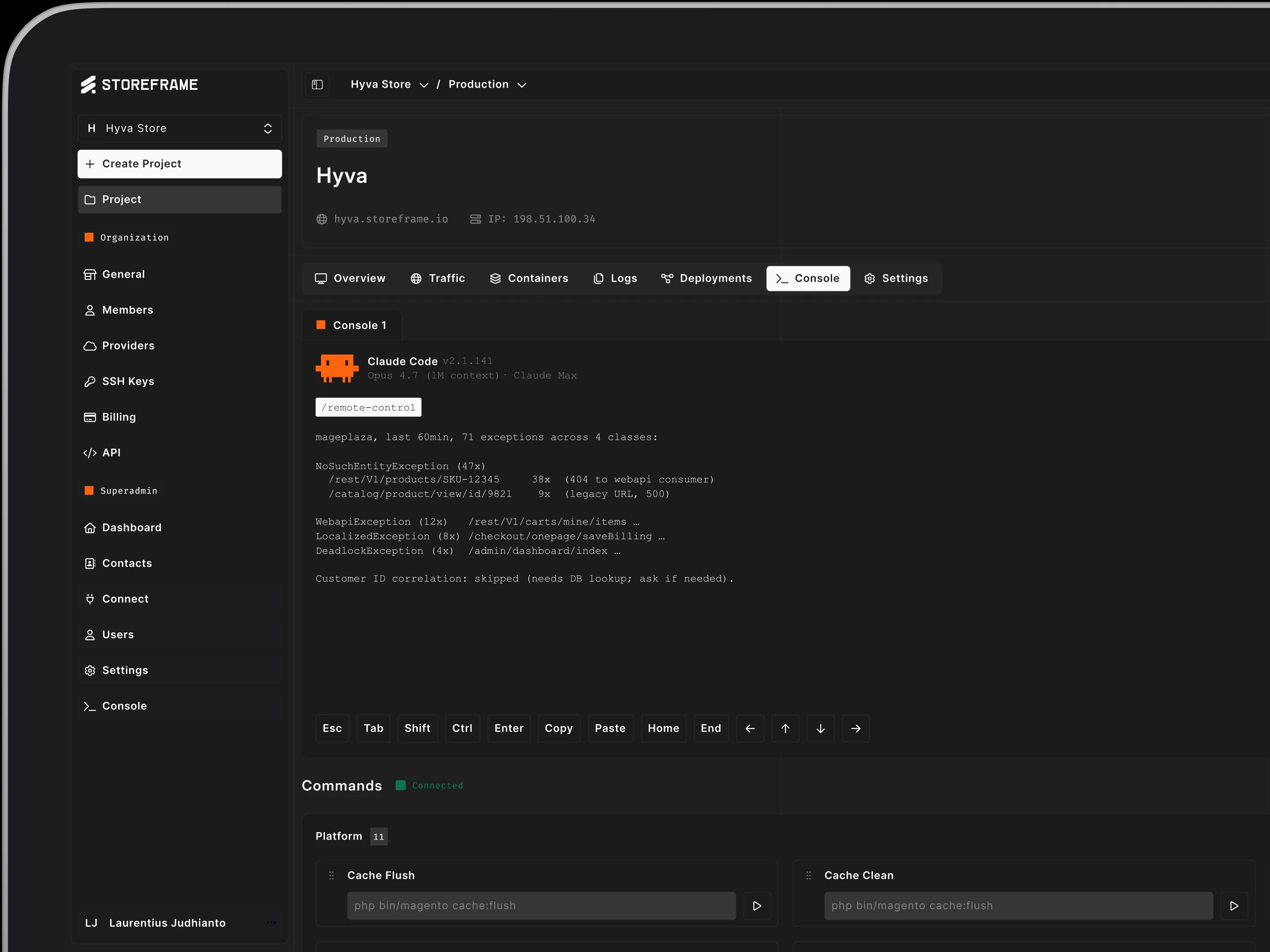
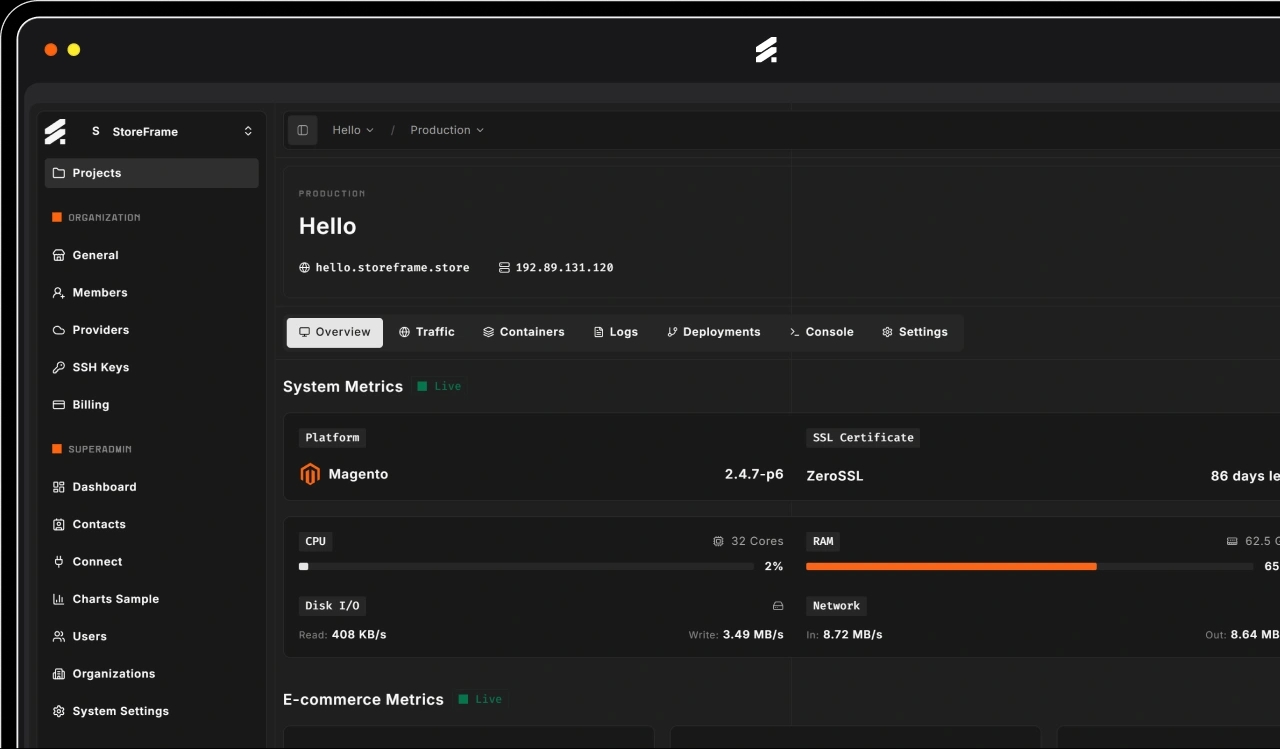
Your cloud. Our stack.
Your cloud. Our stack.
Production Magento on Hetzner, UpCloud, Linode, or DigitalOcean — and you keep the keys, the data, and the control. Same containerized stack, native ARM and x86, no surprise egress fees.
Provider Lineup
Provider Lineup
Four providers, same StoreFrame stack underneath — each pre-vetted for performance, reliability, and operational fit. Hetzner is the recommended baseline; the others fit specific regional or pricing constraints.
Hetzner (recommended)
Primary deployment target — best price-to-performance for European traffic, ARM64 (aarch64) supported alongside x86, dedicated CPU instances with predictable cost and no surprise egress.
UpCloud
Scandinavian-tier reliability with additional EU regions, useful for Nordic-region traffic. Higher per-instance cost than Hetzner but offers more granular instance sizing for specific workloads.
Linode (Akamai)
Akamai-owned with global PoPs across the US and APAC. Useful for customers with non-EU traffic profiles or those who prefer flat hourly pricing over EU-flat-rate models.

DigitalOcean
Developer-friendly cloud with global data centers and predictable Droplet pricing. Strong fit for teams already on DigitalOcean or US-centric traffic that wants simple hourly billing and a familiar API.
Why Hetzner Recommended
Why Hetzner Recommended
Hetzner is the default for new StoreFrame deployments — the math works out for most customers, and the operational fit is proven across the production fleet.
Cost & Performance
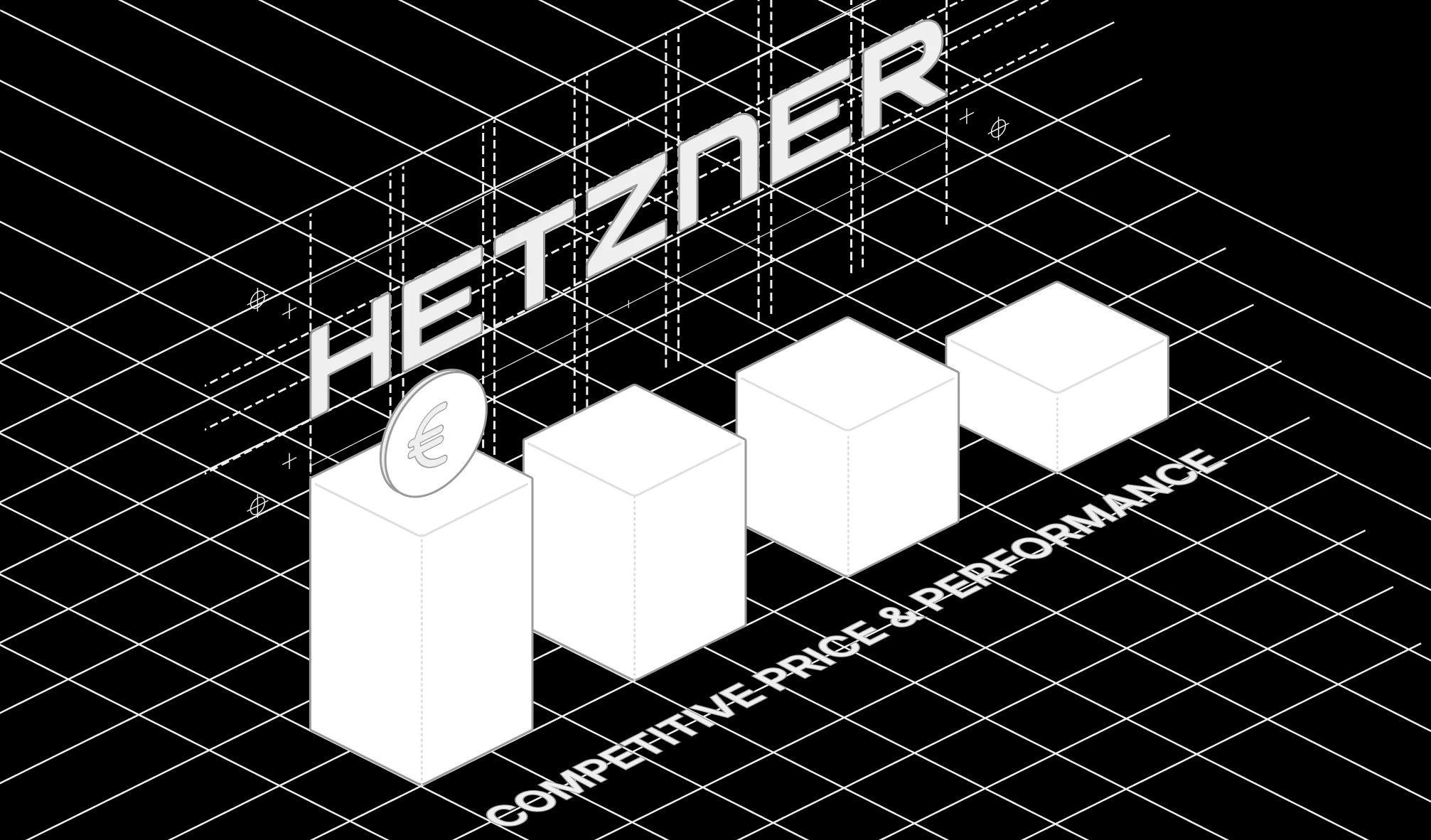
Hetzner dedicated CPU pricing beats hyperscaler equivalents. Better RAM-to-CPU ratio for Magento workloads, with no surprise egress fees on regular traffic patterns.
Regional Fit
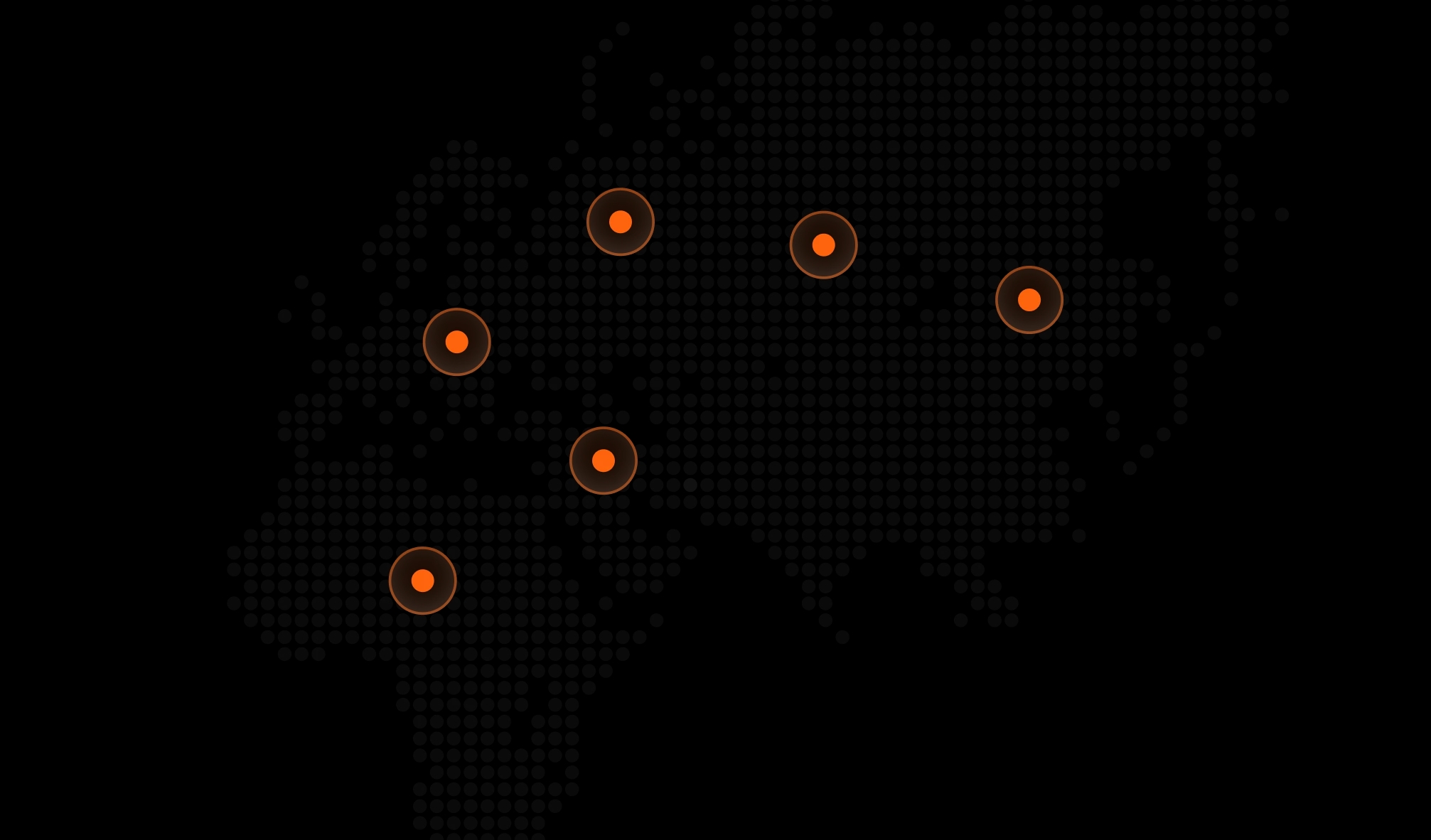
Most StoreFrame customers run EU-focused stores. Hetzner's German and Finnish data centers deliver low-latency response for Western and Central European traffic, near the customer base.
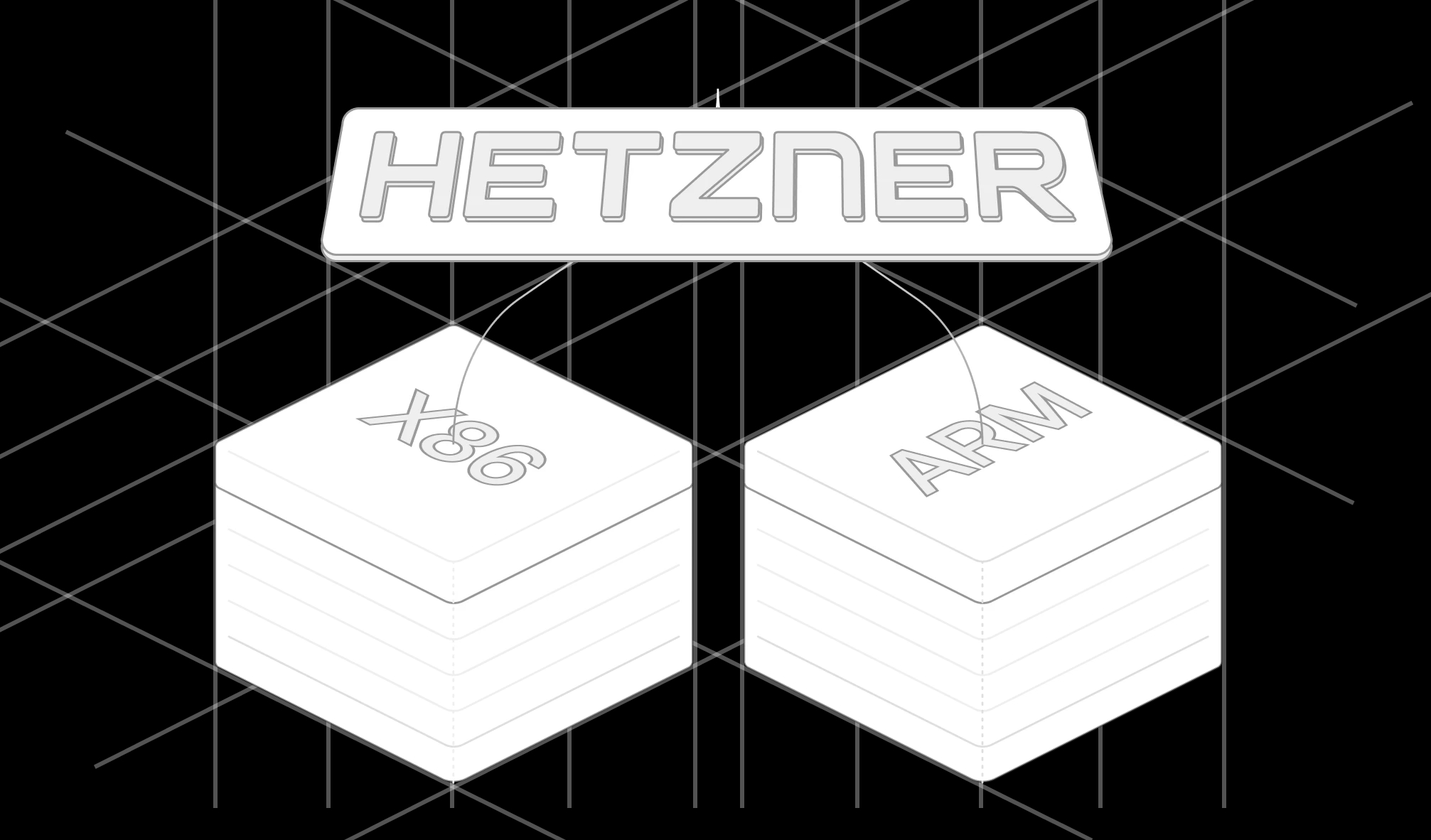
ARM and x86 Native
Same containerized Magento stack runs natively on both ARM (aarch64) and x86 hardware — no emulation overhead. Pick at provision time, same operational layer underneath.
Migration & Multi-Cloud
Migration & Multi-Cloud
Provisioning is provider-agnostic — the same StoreFrame stack runs on any of the four. Switching is a process, not a rebuild. See how to start a Magento VM, or follow the trial → BYOK migration flow to move a trial onto your own cloud.
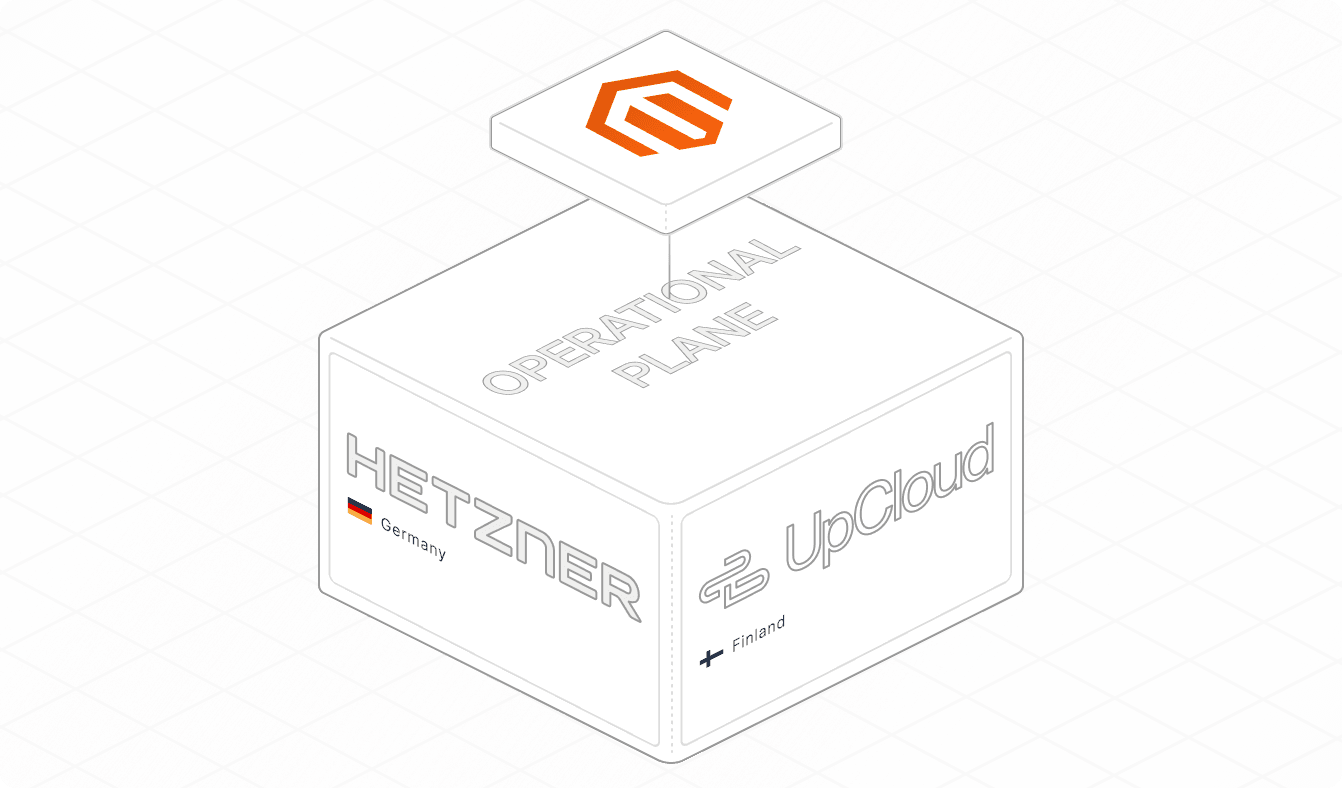
Provider-Agnostic Stack
Same containerized Magento stack provisions on any supported cloud — no code changes, no architectural refactor, only the underlying VM provider differs. Same operational layer underneath.
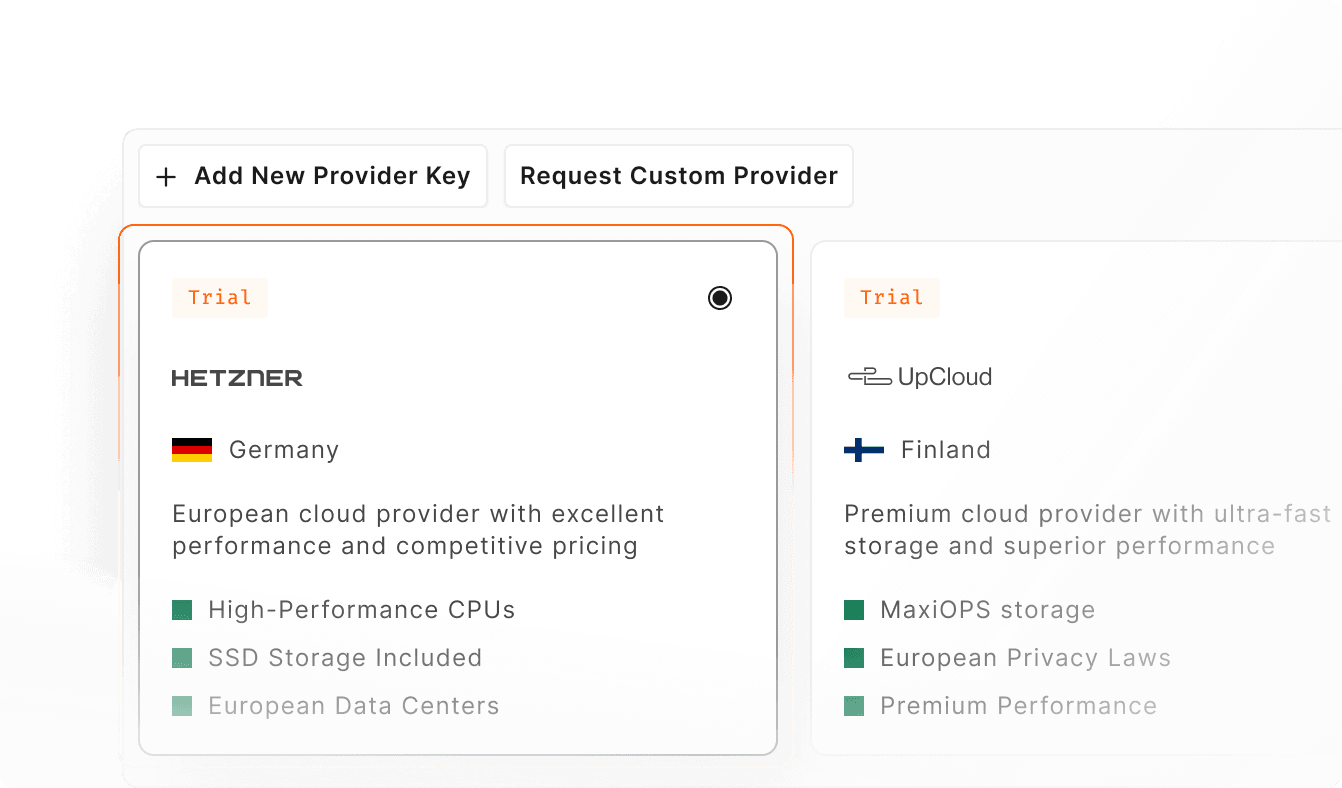
Switching Providers
Staging-first migration with parallel-run validation, DNS cutover with documented rollback, and a rehearsal pass before production. Same migration workflow we use for replatforming customers between platforms.
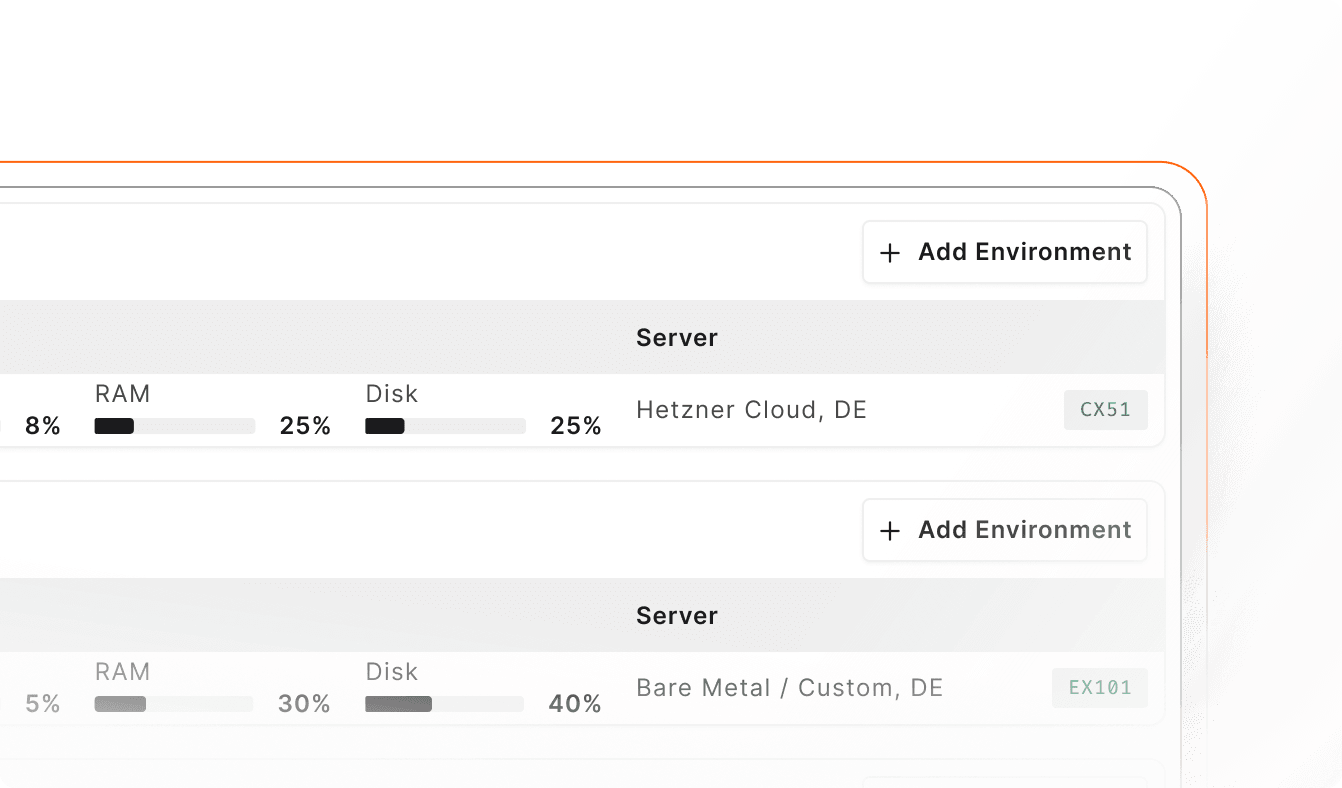
Mixed Deployments
Production on one provider, staging or development on another. All managed from a single HUB with unified billing, monitoring, deployment, and access controls across providers.